
Professional Mole Removal Services
The damage is impossible to miss. The animal itself is almost never seen.
Raised tunnels crisscrossing the lawn. Soft, spongy soil underfoot. Molehills popping up overnight. Plant roots destroyed as tunnels pass beneath them.
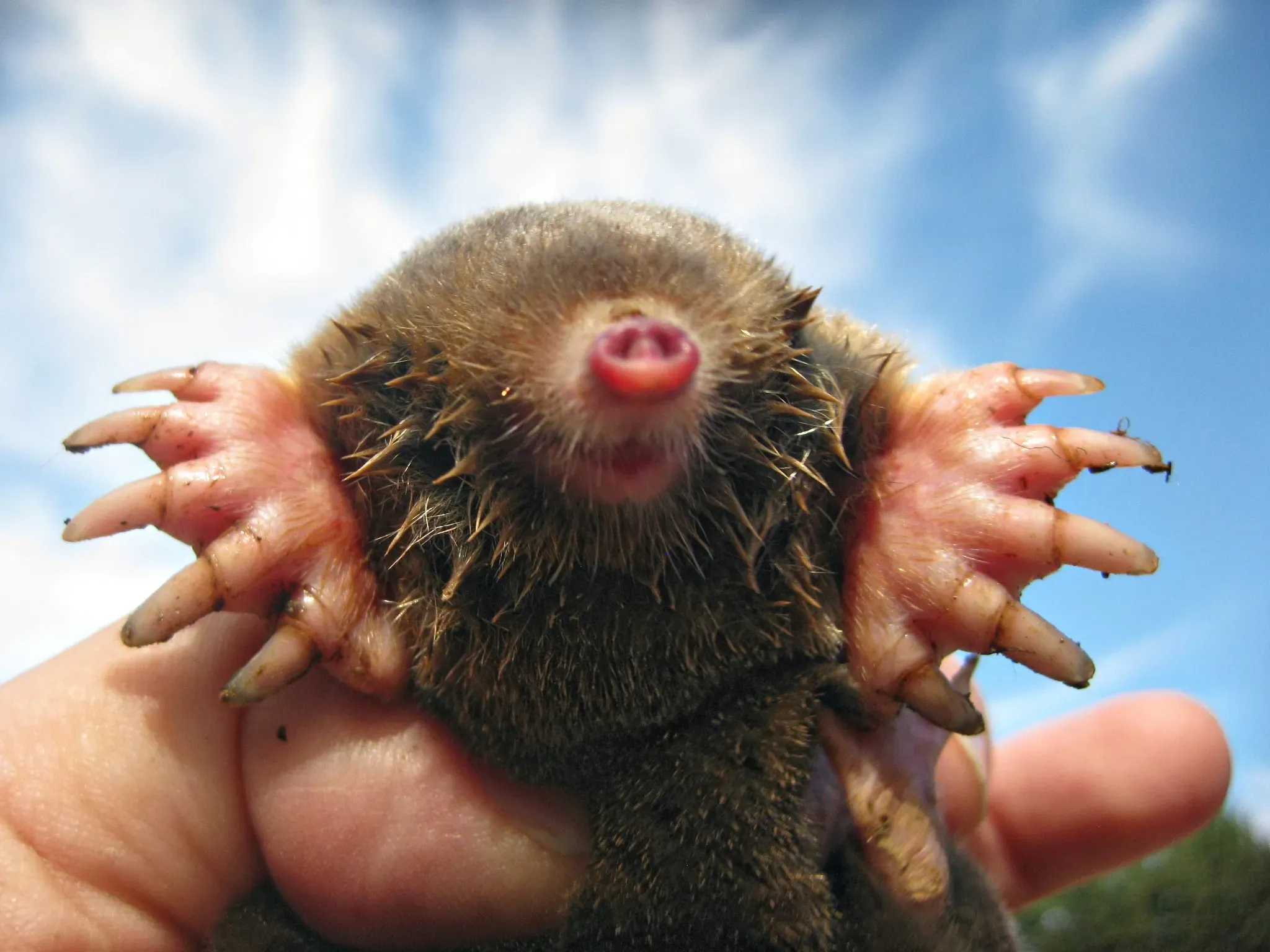
That’s what an Eastern mole does. And it’s doing it right now, somewhere under your yard.
The frustrating part is that most of what’s sold to homeowners for mole control simply doesn’t work against an established animal. Repellents, sonic stakes, home remedies. None of them address the actual problem.
Professional trapping is the only method with a reliable track record. Our mole removal program runs approximately four weeks from first inspection to resolution, and we back it with a professional repellent follow-up treatment.
Signs You Have a Mole Problem
- Surface Tunnels and Raised Ridges: The most visible sign, shallow feeding tunnels that push the soil up into raised ridges just below the surface. These runs are used temporarily as the mole works an area feeding on earthworms and grubs, and can appear across a lawn seemingly overnight.
- Molehills: Volcano-shaped mounds of fresh, loose dirt pushed up from deeper permanent tunnels. Unlike surface ridges, molehills indicate the mole is actively digging and maintaining a below-ground burrow system in that area.
- Soft, Spongy Lawn Sections: Walking across a section of lawn that feels hollow or spongy underfoot is a sign that tunnels have been dug just below the root zone, leaving the surface unsupported. This is also a trip hazard and can damage lawn equipment.
- Dying Grass or Plants in Irregular Patches: As moles tunnel through the root zone, they sever roots and disrupt soil contact, causing irregular patches of dying or yellowing grass and wilting plants, often with no visible surface tunneling directly beneath the affected area.
- Rapid Spread Across the Lawn: A single mole can dig up to 100 feet of tunnel per day in favorable soil conditions. What starts as a small area of damage can spread across a large lawn in a matter of days if not addressed promptly.
Our Mole Removal Process
Moles require a methodical approach. Unlike most wildlife where a single removal event solves the problem, mole activity needs to be monitored and addressed over time to confirm the full population on the property has been cleared. Our program is designed around that reality.
- Free Inspection & Assessment: We walk the property to map active tunnel systems, identify primary runs versus secondary feeding tunnels, locate mole activity hotspots, and assess the extent of lawn and garden damage already caused.
- Targeted Trap Placement: We set professional traps in confirmed active runs, not randomly across the lawn. Placement accuracy is the single most important factor in mole trapping success, and it requires correctly identifying which tunnels are in current use. Traps are checked and adjusted regularly throughout the program.
- Ongoing Monitoring: Over the approximately four-week program, we continue to monitor activity, relocate traps as needed, and assess whether new mole activity is entering from adjacent areas.
- Repellent Treatment: After the active removal phase, we apply a professional-grade mole repellent to treated areas to discourage new moles from establishing in the same territory.
Dangers of Moles on Your Property
Moles don’t carry rabies. They don’t threaten pets or poultry. But the damage they cause is real, expensive, and gets worse the longer it goes unaddressed.
Mole tunnels destroy grass root systems from below, creating dead patches that appear across a lawn without obvious cause. The raised surface runs and molehills make lawns uneven and difficult to mow. In garden beds, tunneling disrupts root systems and can kill established plants.
The deeper problem is structural. Extensive tunnel networks create soft, unstable soil that can collapse under foot traffic, heavy equipment, or heavy rain. In yards where water management matters, mole runs accelerate drainage problems and soil erosion.
One mole can cover a large area. What starts in one corner of the yard expands across the entire property within a single season.
Why Choose Wills Wildlife Control?
- Program-Based Approach: Our ~4-week removal process with follow-up repellent treatment isn’t just a single visit, it’s a structured program designed to fully clear a property and protect against reinfestation.
- Active Run Expertise: Effective mole trapping lives or dies on correct trap placement in genuinely active runs. Our technicians know how to read a yard and place traps where they’ll actually work.
- Licensed & Insured: Fully certified by the Tennessee Wildlife Resources Agency (TWRA), so every removal is legal, documented, and done right.
- Local Experts, Not a Franchise: We’re Knoxville-based with over 30 years of combined experience. We know East Tennessee soil conditions, local mole behavior, and what actually works in this region.
- 5-Star Rated: 102+ verified Google reviews with a perfect 5.0 score from homeowners across East Tennessee.