
Professional Squirrel Removal Services
You’re hearing something in the attic. It’s fast. It’s persistent. It’s probably up there right now.
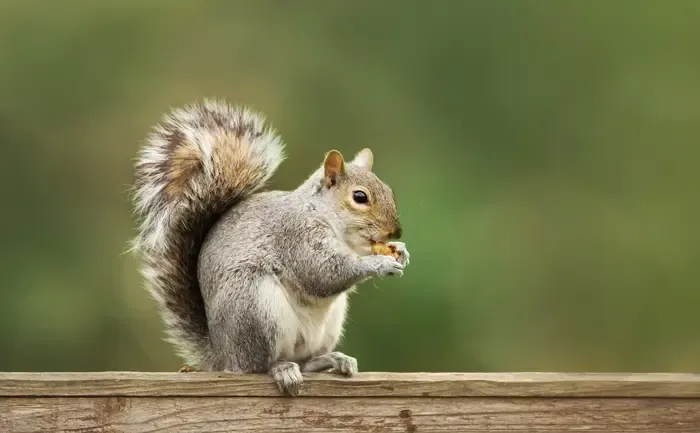
Gray squirrels and fox squirrels are both common throughout East Tennessee, and either one can cause serious damage to a home through relentless gnawing, nesting, and the creation of entry points that grow over time.
Squirrels are the most frequent attic intruders we deal with in Knoxville. More common than raccoons, more persistent than most homeowners expect, and far more destructive than their size suggests.
The real danger isn’t the noise. It’s the wiring.
Our squirrel removal service uses one-way exclusion devices to remove animals humanely without trapping, seals every entry point, and backs the work with a warranty.
Signs You Have a Squirrel Problem
- Rapid Scurrying and Scratching in the Attic: Squirrel movement is fast and lightweight, a quick pattering or skittering sound, often in short bursts, most active in the early morning and late afternoon when squirrels are feeding. This distinguishes them from the slower, heavier movement of raccoons or the nighttime activity of rats.
- Chewed Entry Points at the Roofline: Squirrels gain entry through gaps, rotted wood, and damaged areas at roof edges, soffits, gable vents, and where rooflines meet. They enlarge existing openings by gnawing, and entry holes typically show visible tooth marks and rough, chewed wood edges.
- Gnawing Sounds Inside Walls or the Attic: A persistent, rhythmic gnawing or chewing sound, especially in the morning, is one of the most reliable signs of squirrels actively working on wood, wiring, or insulation inside the structure.
- Nesting Material in the Attic: Squirrels build compact nests from insulation, leaves, bark, and other soft material. Disturbed or compressed insulation in corners and along rafters, often with a visible nest structure, is a clear sign of an established squirrel colony in the attic.
- Droppings Near Entry Points or in the Attic: Squirrel droppings are small, roughly 3/8 inch, oval, and dark brown to black. Finding them clustered near a suspected entry point or inside the attic space confirms active use.
Our Squirrel Removal Process
Trapping squirrels without sealing the entry point is a temporary fix, more squirrels will move in within days. And sealing entry points before all animals are out traps them inside, which creates a different and worse problem. Our exclusion-first approach solves both issues at once.
- Free Inspection: We conduct a full exterior inspection of the roofline, soffits, gable vents, and any other potential entry points, locate all active and secondary openings, and assess the extent of nesting and any visible wiring or insulation damage inside the attic space.
- One-Way Exclusion Device Installation: We install one-way exclusion devices at the primary active entry points, these allow squirrels to exit normally but prevent them from getting back in. This is the most humane and effective removal method, and it doesn’t require trapping or handling individual animals.
- Full Entry Point Sealing: Once all animals have exited, typically within a few days, we remove the exclusion devices and permanently seal every entry point using heavy-gauge hardware cloth, metal flashing, and commercial sealants that squirrels cannot chew through.
- Attic Damage Assessment: We assess the condition of insulation, wiring, and structural wood for damage and advise on any repairs needed. If wiring damage is suspected, we recommend having a licensed electrician inspect the affected area.
- Prevention Warranty: Our exclusion work is backed by a warranty so you can have lasting peace of mind.
Dangers of Squirrels in the Attic
Squirrels chew constantly, not out of hunger, but because their incisor teeth never stop growing and must be worn down. Electrical wiring insulation is soft, easy to gnaw, and abundant in attic spaces.
When a squirrel strips the insulation from a wire, it creates a potential arc fault: electricity jumping across the exposed gap and igniting surrounding insulation, wood framing, or nesting material. The National Fire Protection Association estimates rodent wire damage contributes to thousands of house fires annually. Because the damage occurs inside wall cavities and attic spaces, it’s invisible until something goes wrong.
Beyond wiring, squirrels damage HVAC ductwork, chew through vapor barriers, contaminate insulation with urine and feces, and can gnaw structural wood to the point of compromising rafters and roof decking. Two breeding seasons per year mean a small problem becomes a larger one fast if the entry points aren’t found and sealed.
Why Choose Wills Wildlife Control?
- Exclusion-First Approach: We use one-way devices to get squirrels out humanely, then seal permanently, the method that actually solves the problem rather than just reducing the current population.
- Licensed & Insured: Fully certified by the Tennessee Wildlife Resources Agency (TWRA), so every removal is legal, documented, and done right.
- Local Experts, Not a Franchise: We’re Knoxville-based with over 30 years of combined experience. We know local squirrel behavior, the common entry vulnerabilities in East Tennessee homes, and local regulations.
- Fast Response: Most jobs are scheduled same-day or next-day, because every day squirrels spend in an attic is another day of potential wire damage.
- 5-Star Rated: 102+ verified Google reviews with a perfect 5.0 score from homeowners across East Tennessee.